[ad_1]
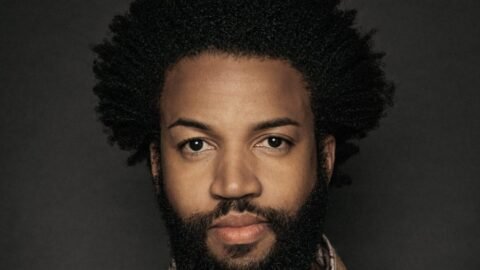
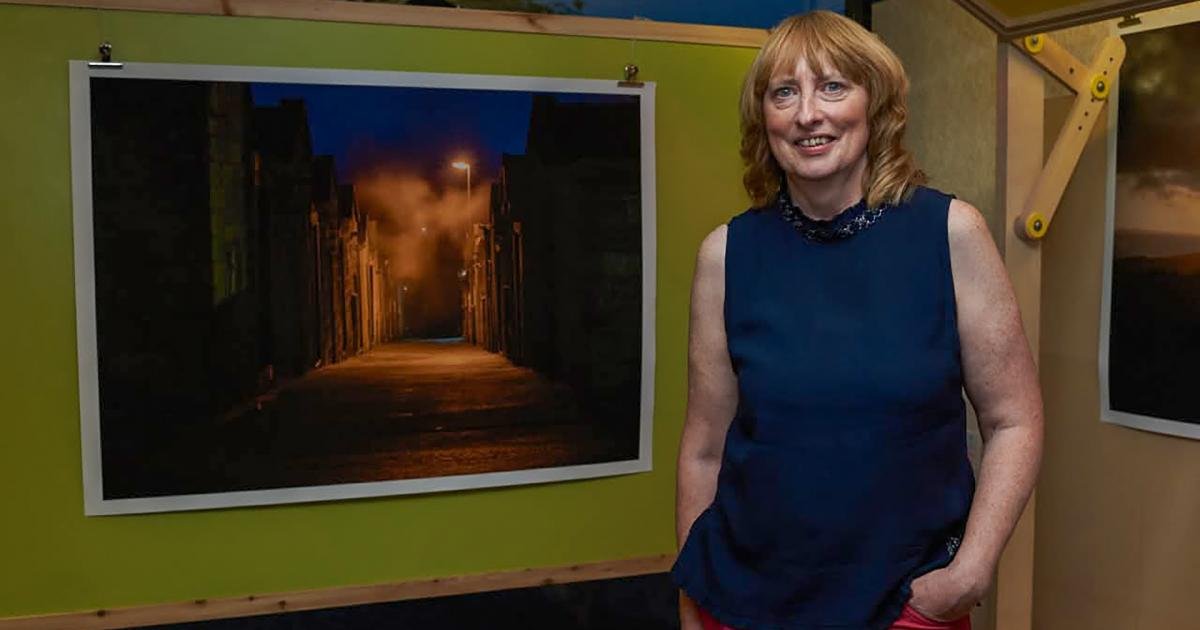
Part of the This Is Nelson programme, the project is being led by artists Rob St John and Dianne Muldowney, who are working together to explore what happens after dark in the town and how nightlife has shaped people’s lives across generations.
Through events, conversations, and workshops, the project aims to hear from anyone with stories to tell about Nelson’s night-time culture, past, and present.
This includes memories of live music, pubs and clubs, rural raves, warehouse parties, and community or ritual celebrations.
Rob St John, one of the lead artists, said he is keen to work with people of all ages to build a shared picture of Nelson’s social history.

“I’m interested in hearing about the heyday of gigs at the Imp, of pubs and clubs, of rural raves and warehouse parties, of community gatherings and ritual celebrations,” he said.
“I’m particularly interested in working with inter-generational groups in this project, in an effort to connect young and older communities to share stories of Nelson’s nightlife, and its impact on their own lives.”
READ MORE: Blackburn’s Sufiyaan Salam celebrates BIFA win for short film
READ MORE: Shad Chefs reaches major milestone supporting men’s mental health in Blackburn
He believes the timing of the project is significant, as the town continues to change.
“Nelson, like many post-industrial towns in the area, is in a state of transition,” he said.
“Nelson has undergone such rapid changes over the last 60 years, and I think mapping a cultural history of its nightlife can help us get under the skin of how these changes have been experienced in everyday life.”
Dianne Muldowney, a documentary photographer and multidisciplinary artist based in Brierfield, is using photography, research, and interviews to document Nelson’s former pubs and clubs, many of which have now closed.

Having spent her own youth in the town’s nightlife scene during the 1980s, the project is both personal and historical.
She said: “This project is important because it preserves a part of Nelson’s social history that is rapidly disappearing.
“The pubs and clubs that once shaped the town’s nightlife have largely closed, taking their stories with them.
“By photographing the remaining buildings and gathering people’s memories, I plan to create a visual and oral archive of a community now in transition.”
She added that documenting these stories feels urgent.
“Once these buildings and memories are gone, they can’t be brought back,” she said.
“This project captures a moment of transition and preserves the voices of a community whose social spaces are fading from the map.”
Both artists say they are excited by the stories, music, photographs and films that may surface as part of the work, and by the chance to reconnect people with places that once played a central role in social life.
Rob described it as “a privilege” to work in Nelson, while Dianne said she is energised by the opportunity to celebrate spaces that meant so much to so many before they slip away completely.
The project will work closely with local people, community organisations, and the Lancashire Archives, ensuring Nelson’s nightlife history is recorded and shared as the town continues to evolve.
[ad_2]
Source link