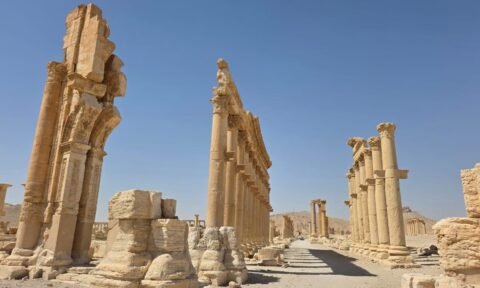
Asia-Pacific is home to almost 300 UNESCO World Heritage Sites, some more famous, like the Great Wall of China and the Taj Mahal in India, and others more obscure, like Phu Phrabat in Thailand and the Ombilin Coal Mining Heritage of Sawahlunto in Indonesia. You could spend a lifetime visiting these fascinating landmarks – and now you’ll need a little bit more, because eight new sites in Asia have gained World Heritage Status.
The UNESCO World Heritage Committee made the decision during its 47th session in Paris, where it recognised a total of 26 new properties worldwide for their invaluable cultural significance. Among the newly-inscribed sites are the fairytale castles, Neuschwanstein Castle, Herrenchiemsee, Linderhof, and the royal house of Schachen in Germany, as well as Australia’s largest rock art site.
Over in Asia, ancient kingdom complexes, imperial cemeteries, and prehistoric rock art sites from Cambodia to North Korea have been elevated to World Heritage Status.
Highlights include the Cambodian Memorial Sites, which consist of three locations where the Khmer Rouge carried out torture and executions during its regime from 1971 to 1979. Coincidentally, the inscription of the site comes 50 years after the murderous regime’s rise to power.
Next is Malaysia’s Forest Research Institute, just 16km northwest of Kuala Lumpur. This site stands as a testament to what early ecological restoration and sustainable rehabilitation practices can do – once degraded by tin mining, the site is now home to a flourishing tropical rainforest. Nestled within the site are buildings serving residents and scientists, as well as water bodies and trails.
Another breathtaking new site is Mount Kumgang in North Korea. Described by the World Heritage Convention as “a place of exceptional natural beauty”, this site is admired for its soaring white peaks, deep valleys, and waterfalls. Besides its natural wonders, it’s also a sacred Buddhist site dating back to the 5th century and dotted with temples, stupas, and hermitages. Three temples remain active today.
Cultural properties:
- Cambodian Memorial Sites: From centres of repression to places of peace and reflection, Cambodia
- Cultural Heritage Sites of Ancient Khuttal, Tajikistan
- Forest Research Institute Malaysia Forest Park Selangor, Malaysia
- Maratha Military Landscapes of India, India
- Petroglyphs along the Bangucheon Stream, South Korea
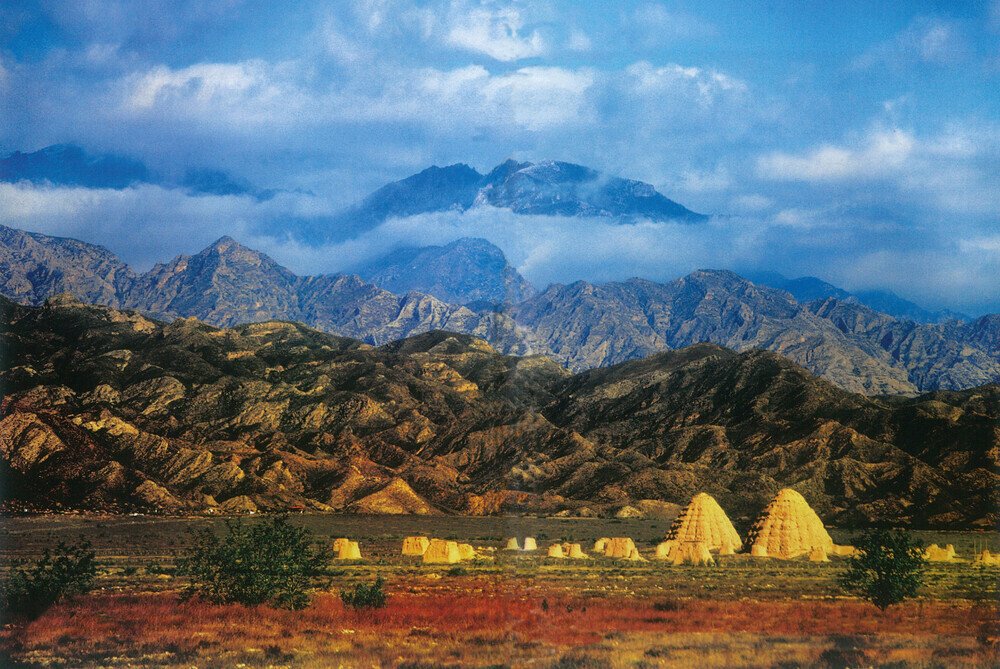
- Xixia Imperial Tombs, China
- Yen Tu-Vinh Nghiem-Con Son, Kiep Bac Complex of Monuments and Landscapes, Vietnam
Mixed properties:
- Mount Kumgang – Diamond Mountain from the Sea – Democratic People’s Republic of Korea
Significant modifications to the boundaries – natural properties
- Phong Nha-Ke Bang National Park and Hin Nam No National Park, Vietnam
Have you heard? This monumental cinema in Mumbai is Asia’s greatest Art Deco building
Plus: A ranking of the top 100 hotels in the world is out – here are all the ones in Asia
Stay in the loop: sign up for our free Time Out Asia newsletter for the best travel inspiration straight to your inbox.