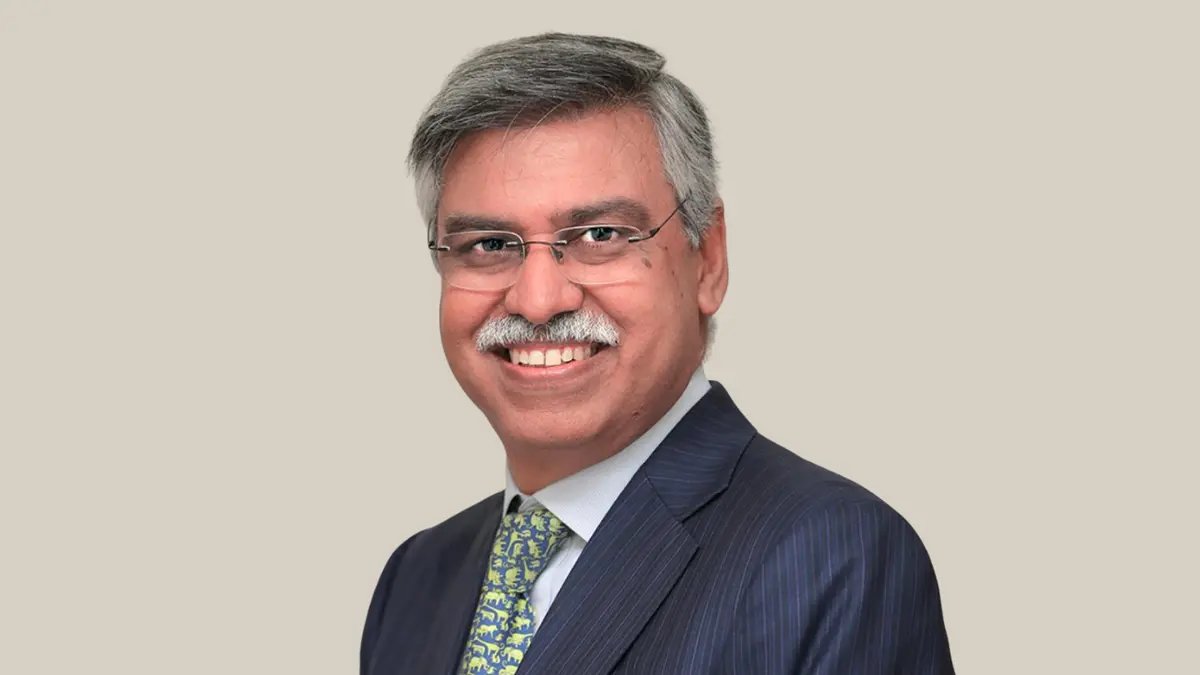
WATCH | What makes Serendipity Arts Festival so unique? Sunil Kant Munjal explains.
The Founder Patron of the Serendipity Arts Festival discusses the festival as a space for expression in a time of shrinking creative freedoms, the role of philanthropy in sustaining the arts, and his vision for the next decade.
| Video Credit:
Host: Mridula Vijayarangakumar; Camera: Kavya Pradeep M; Editing: Razal Pareed; Producers: Mridula Vijayarangakumar and Kavya Pradeep M
In this episode of Frontline Conversations, Sunil Kant Munjal, Chairman of Hero Enterprise and Founder Patron of the Serendipity Arts Festival speaks about the making of one of India’s most unique cultural platforms. Now in its 10th year, the annual festival held in Panaji, Goa, brings together visual arts, theatre, music, dance, literature, culinary arts, craft, and new-media practices on a scale unmatched in the country.
Munjal traces the festival’s evolution from an unconventional idea to a global, interdisciplinary space that welcomes over a lakh visitors a day and artists from more than 30 countries. He speaks about why business leaders must engage with the arts, why Goa became the festival’s home, and how Serendipity bridges tradition and technology—from tribal and artisanal practices to AI, non-fungible token (NFTs), and future-facing art forms.
Edited excerpts:
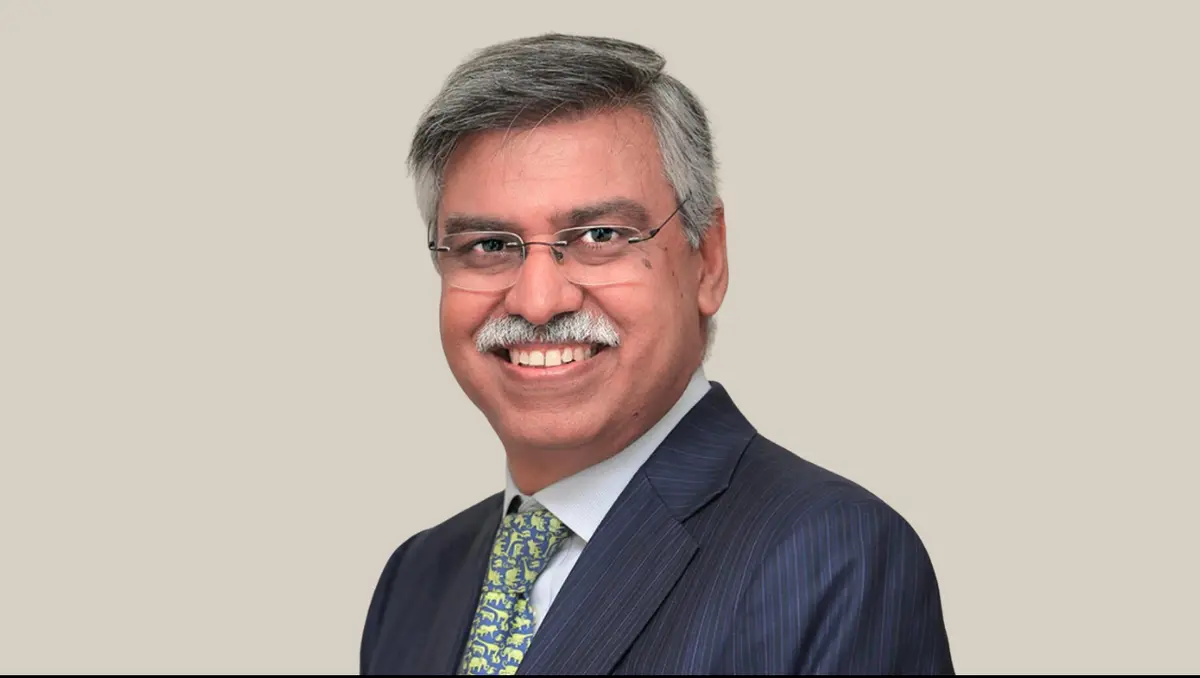
Sunil Kant Munjal, Chairman of Hero Enterprise and Founder Patron of the Serendipity Arts Festival.
| Photo Credit:
By Special Arrangement
When the festival began, the goal was to create an interdisciplinary space where different art forms could interact with each other. Ten years on, has it stayed true to that vision? What has changed along the way?
Actually, it’s become even more so. When we started, it was completely uncommon to have multiple art forms at the same place in the same festival, so it looked like a bit of an odd thing. But the response from year one has been wonderful, which encouraged the artists, the curators, and the organisers to do more. Now about 40 to 50 percent of the festival has projects which not only feature multiple disciplines but are interdisciplinary in themselves. In that sense, it’s quite unique.
It’s also a festival that welcomes everybody. It’s a large festival that attracts a footfall of about 1,00,000 over the course of the event. It gets visitors from 50 to 60 countries, including, of course, many from India and Goa itself. We also have artists from about 30 different countries, so it’s truly an international, global festival that is quite unique in every aspect.
It also works with a very large number of curators. In most years we have 12 to 14 curators, but this being the 10th year, it’s a special one. We’re making a very big effort—we have 35 curators working with us this time, so it is, in that respect, a unique initiative.
Also Read | The division of documentary and fiction film is a false one: Paromita Vohra
As a businessman, why did you choose an art festival? Why art? And why specifically Goa of all cities in India?
My belief is that for any of us, there is a left brain and a right brain—a harder side and a softer side, a technical side and a more liberal arts side. I think it’s important for us to be truly successful and tap into our potential by engaging both sides. I also believe that business managers who are exposed to the arts actually make better decisions than those who are not. And business can help the arts, too. It’s a very nice combination because each has their own strengths, but by themselves, they’re incomplete.
That’s why we first started a foundation in 1999 in Ludhiana for the performing arts. Then in 2014, we set up the Serendipity Arts Foundation in Delhi, which organises the festival in Goa. Because this is our 10th year, we’re going to 10 different cities, including three overseas, to talk to people and expose them to different art forms. We have artists-in-residence, curators, researchers, and innovators all working with us. We want to expose them to different environments and cities, and we want to expose the cities to what we do.
We’re a unique festival where culinary arts are given as much exposure and importance as the performing arts or visual arts. In fact, I’m currently writing a book with some friends on the culture and legacy of eating out in Delhi. This is important because our cultures in India are such that there’s almost no family, no festival, no event which takes place without a special kind of food being made only for that occasion. I think it’s important both to celebrate, research, and learn from these traditions.
The 2024 edition focused on exploring AI and other technology mixed with human creativity. But the festival also celebrates heritage, craft, and traditional forms. Can both coexist, or do you see one inevitably overshadowing the other?
One of the things we’ve been doing is learning from our past and our history—focusing on traditional arts, tribal arts, and artisanal skills—while at the same time focusing on today and tomorrow. Right from the first festival in 2016, we presented projects on arts and science. Then we did projects on arts and technology, arts and health, and artificial intelligence and how that’s impacting art. We’ve also looked at the business of art and how new forms can be traded differently because of cryptocurrencies. Will NFTs [non-fungible token] make a difference to how art is received in terms of ownership? We investigate all these aspects.
We also look at issues like the market for fake art and what that does to real art, artists, art dealers, and distributors. We like to investigate and open platforms for conversations. We also run conferences and conclaves with academics and researchers. The idea is to create a platform where everyone is welcome and all aspects of arts and culture—and how they impact our lives—are examined. Technology is an important part of that, but it’s only one part.
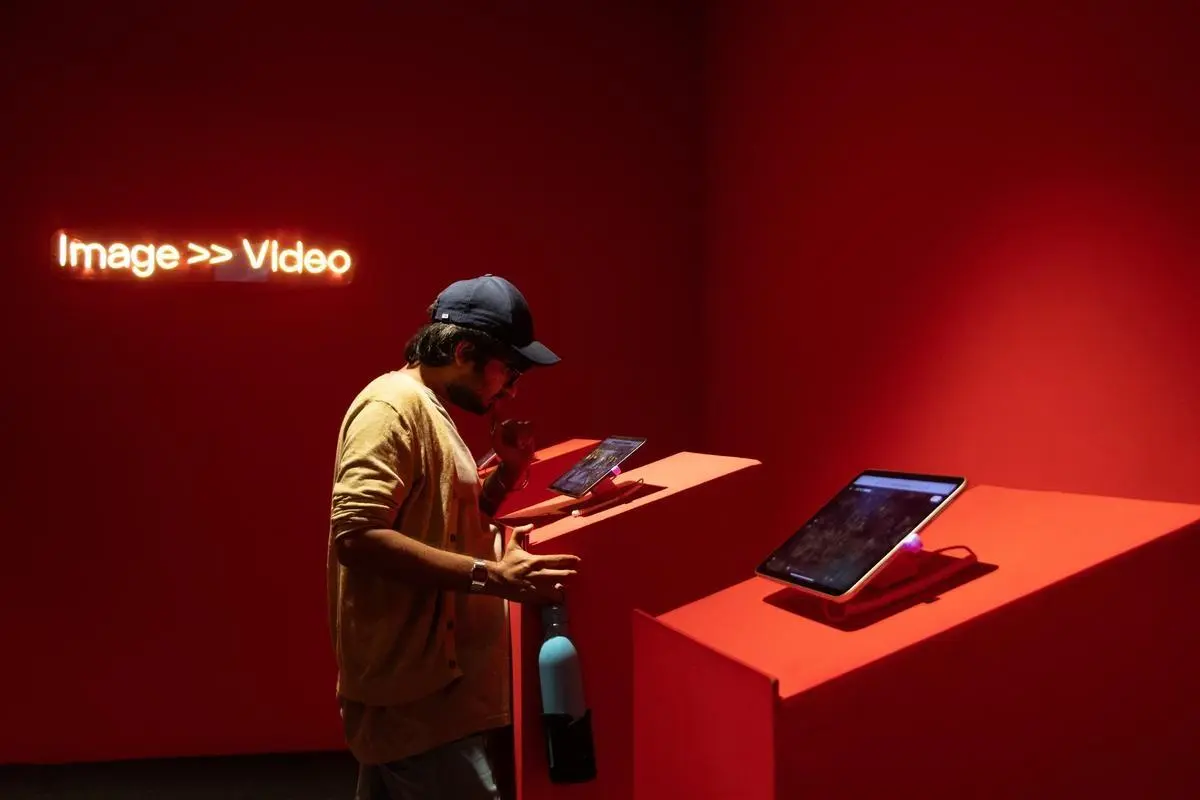
An exhibit exploring artificial intelligence and art, from the 2024 edition of the Serendipity Arts Festival. Munjal says that from its first edition, the festival has presented projects combining arts and science.
| Photo Credit:
By Special Arrangement
You previously called Serendipity “a space for conversation, experimentation, and relationship building”. In times when creative freedom often feels constrained, does the festival see itself as offering artists room to breathe or push back?
That’s one of the opportunities we provide to artists—to be expressive, to come and express themselves. We encourage expression. Of course, we don’t encourage disruption, but we encourage expression. That’s important to establish: a neutral ground where people can talk to each other, explain issues that concern them or bother them, and demonstrate their perspectives.
For a long time, art has been used for expression and protest. Throughout history, artists, musicians, and poets have created artworks and poems that were either greatly appreciative of what was going on or protested against it. That’s why art is an incredible expression of human feelings, human emotions, and what’s going on around us. It’s good as entertainment, but it’s also good as messaging—getting a word out that you may not otherwise be able to do.
We focus a lot on messaging about good values: kindness, relationships, families, civic responsibility, social responsibility, and sustainability—things that actually matter. Someone may come and just look at something as an artwork, a play, or theater and then go home. They may or may not see the message, which is fine too.
Most cultural festivals in India depend on private funding. Is that changing, or are we still waiting for a broader model to emerge?
I think it’s important that the private sector gets more engaged, more involved, and contributes more than it has been doing. Historically, the government was the only custodian of the arts in the country. Before that, it was the palaces first, then the temples, and then the traders. Over the last 50, 60, 70 years, it has been the government, and now more and more private enterprises are coming in. Private museums and private theatres are coming up.
I think this is a wonderful thing, and one of the ideas we had in today’s conversation is to encourage and direct philanthropy in a deliberate manner so that it also supports, encourages, and grows arts and culture.
Also Read | Ram Kumar: Painter of the human soul
Finally, before we wrap up, as Serendipity enters the second decade, what are you most looking forward to?
What we’re hoping is that, first, the Goa festival has established itself as a festival that belongs to Goa—a people’s festival. Please note, it’s a festival on which we have never put our own company’s brand or family name. It’s been designed as a neutral platform where everyone is welcome. The most delightful thing is that everybody believes it’s theirs, which was our intention.
I’m hoping in the next phase we’ll be able to create more permanent establishments that can do this year-round, not just once a year or now and then. That’s why we’re attempting to do more research, more publications, and create more permanent establishments. There are multiple initiatives that will definitely show up over these next 10 years.
This transcript has been edited for length and clarity.