
Art Deco found a home in Glasgow as the country embraced the fresh optimism of clean lines and elegance.
From glamourous super cinemas to white suburban villas, lidos and power stations, Scotland warmly embraced the new, bright optimism of the Art Deco movement.
Now, a new book charts the country’s dedication to the fresh, hopeful designs that emerged during the Jazz Age and which found favour, not just in Scotland’s cities but also in smaller towns across the country as a future of clean lines, elegance and fashion came knocking.
Art Deco Scotland: Design and Architecture in the Jazz Age, by Bruce Peter, Professor of Design History at the Glasgow School of Art, has been published by Historic Environment Scotland and features more than 150 photographs from the national collection which illustrate the architectural gems from the interwar period.
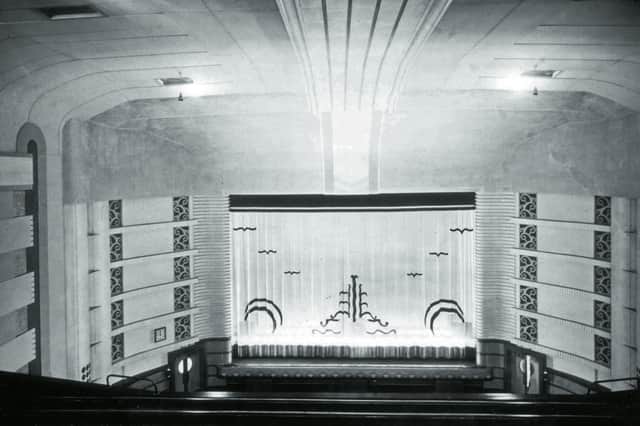

Professor Peter said: “With a northerly maritime climate, Scotland may have seemed an unlikely place for large numbers of buildings and instances of design and visual culture exhibiting elements reflective of the sunny south and of smart metropolises such as Parisand New York to have materialised.
“Yet, the style was very influential among Scots, and during the 1920s and 1930s a remarkably large and diverse variety of Art Deco objects, structures and images were created.
“Reproduction and experience of Art Deco in Scotland raises issues of how in the interwar era fashionable design spread through the expanding media from cultural centres to relatively small and unlikely places such as Peterhead, Tobermory and Stornoway.”

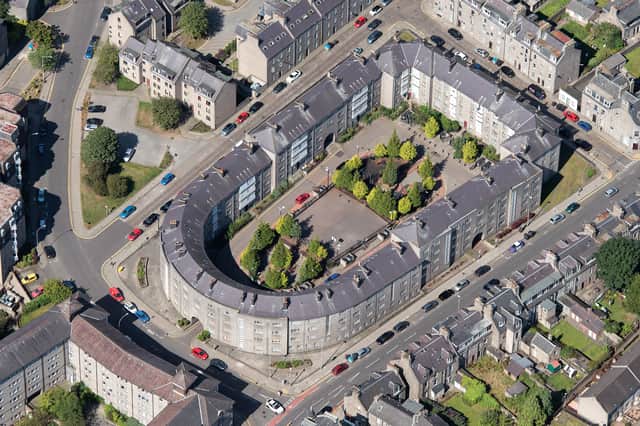
Roy Malcolm of G1 Architects, 2011.
PIC: Courtesy of Roy Malcolm | Roy Malcolm
Following the Exposition Internationale des Arts Décoratifs et Industriels Modernes in Paris in 1925, the Art Deco style spread widely with architects and designers in Scotland incorporating its forward-looking embrace of aspiration and sophistication into both the affluent and the everyday.
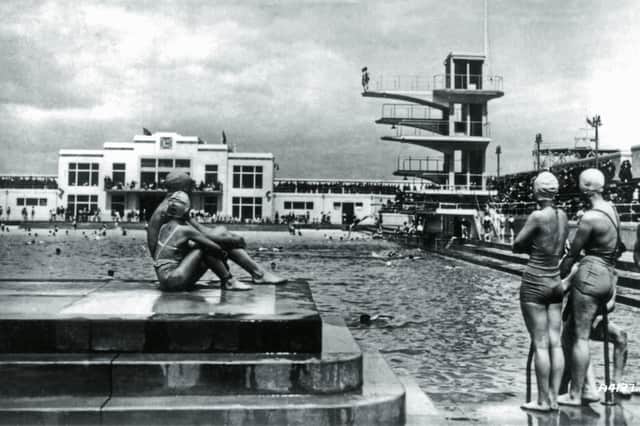
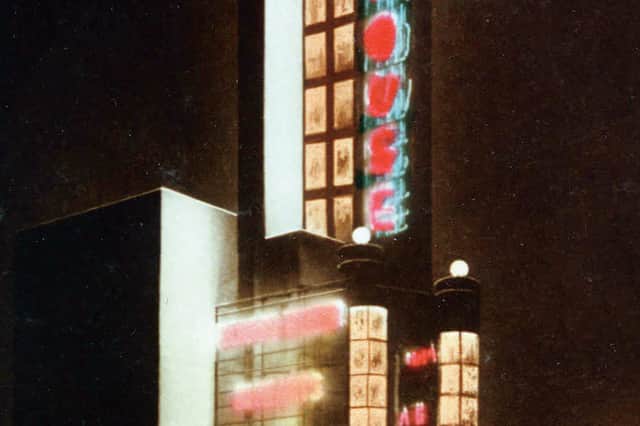
Professor Peter explores the variety of Art Deco architecture and design that followed, including iconic structures such as Glasgow’s Beresford Hotel, the Radio Cinema in Kilbirnie, the Portobello Lido, the Tower of Empire in Glasgow, the Clyde-built Queen Mary and the Dominion Cinema in Edinburgh’s Morningside.

Other highlights include an ample villa designed by Basil Spence in Easter Belmont Road, Edinburgh, in 1932 and a private home in Carse View Drive in Bearsden, Glasgow.
One beautiful ad for Mactaggart & Mickel for a housing development in Thornliebank in Glasgow perhaps sums up the hope for the period: “The adoption of modernism does not always bid goodbye to beauty.”
The design for these houses was never followed through – but the mood for a fresh, new aesthetic continued to filter through the country.
Professor Peter said: “Scotland had – and still has – a remarkable variety of Art Deco buildings. They add character to city streets and local communities from Peterhead to Stranraer, Inverness to Kelso. Scotland also excelled in the making of Art Deco furniture and textiles, while Clyde-built passenger liners included the world’s biggest, fastest and most glamorous examples.”
Neil Gregory, Head of Outreach at HES, said working with Professor Peter Peter had been a “fantastic journey.”
He added: “Art Deco Scotland’ brings together history, design and a great collection of archive imagery, all whilst shining a spotlight on a fascinating part of Scotland’s 20th century heritage.”
‘Art Deco Scotland: Design and Architecture in the Jazz Age’by Professor Bruce Peter is available in all good bookshops priced £30.