
[ad_1]

When I started the first asset-backed art investment fund with The Fine Art Group in 2001, people thought I was mad. Many collectors, including the financial backers of my first fund, thought that art was merely a cultural asset, not a financial one. Twenty years later, the tables have turned. People regularly ask me, “Philip, which artists should I be buying? How long should I hold onto this piece?” and so on, with at least a concern for the financial return as a serious consideration. So long as individuals place significant proportions of their wealth into art, it automatically becomes a financial asset as people will care about money. In the two decades since forming The Fine Art Group, it has thrived globally because we understand art and the art market and can therefore secure the best results for our clients.
The appeal of art as an asset
The art market has always been a captivating arena for collectors and investors, but the current landscape offers unprecedented opportunities, especially for discerning and well-informed buyers. Historically, periods of market adjustment have been followed by periods of dynamic and often unprecedented growth.
Unlike past downturns, we are not experiencing true volatility but rather navigating a period of adjustment following the post-Covid auction highs. This adjustment will begin to align auction prices with those seen in private sales and galleries, encouraging a more balanced and sustainable market. Recent data reflects this trend; New York’s Marquee Evening Sales in May 2024 totaled $937.3 million, a figure lower than previous years but accompanied by a solid sell-through rate of 94 percent. High sell-through rates can suggest a well-managed and healthy market where high-quality, well-priced works continue to attract deep bidding interest. Ahead of the May auction sales, CNBC reported that private market sales continue to thrive amidst weaker auction sales, particularly as these sales of new works are less affected by economic and stock market volatility. This is significant as it highlights a lower correlation with the broader financial markets, making art a more stable investment during periods of financial uncertainty.
The Fine Art Group connects collectors to galleries and facilitates private sales transactions, ensuring clients can navigate these promising opportunities with confidence. Additionally, one of the core services we have been expanding on in recent years is art-secured lending. This has made investing in art more accessible and appealing to our clients as it means that they can maintain a high degree of liquidity despite owning historically illiquid assets.
Ways of investing in art today
When considering venues for art investment, there are several opportunities that arise in the art market. One such avenue is through funds dedicated to art investment, where investors pool their resources to amass a diverse portfolio of artworks. These funds are managed by experts who possess valuable insights into the art market, allowing investors to benefit from their experience and knowledge. The Fine Art Group pioneered this investment strategy in 2001 and currently provides art consultation services to investment funds.
The alternative to investment funds is building a collection privately. Renowned art fairs like Art Basel are another excellent platform for acquisitions. As one of the premier art fairs globally, Art Basel showcases artworks from the top 285 galleries, predominantly from Europe this year. Collectors can discover and acquire pieces with significant growth potential. For instance, this year’s highlights include Pablo Picasso’s monumental L’Atelier (1955), presented by Larry Gagosian, and a compelling work by the emerging artist Lenz Geerk, offered by Massimo De Carlo. The mix of established masterpieces and groundbreaking new works attracts a diverse, international audience, enriching the marketplace and offering collectors access to some of the finest art available today. For example, Lévy Gorvy Dayan Gallery is set to offer Julie Mehretu’s Untitled (2005), and this work on paper presents an attractive entry point into her market. Her paintings are rarely available on the primary market and when they do come to auction, often sell for over $4 million.
Another alternative to acquiring works at art fairs is collector-to-collector sales. These private transactions, often facilitated by an advisor, allow art collectors to obtain specific artworks outside the competitive primary or secondary markets. Advisory firms like The Fine Art Group play a pivotal role in navigating these investment opportunities, from helping facilitate a transaction between clients to advising on deals brokered by a third party. Ultimately, securing exclusive access to fresh-to-market works is often negotiated by us for our clients.
Is this the strategic moment for art buyers?
For buyers looking to invest in art, the current market conditions are compelling reasons to act now. At Art Basel and through the thriving private sales sector, there are significant opportunities to acquire high-quality works at adjusted and realistic prices. The Fine Art Group, the largest and most global art advisory business in the world, is uniquely positioned to understand the dynamics of the art market both on a regional and macro level and, hence, ideally equipped to help clients secure opportunities globally.
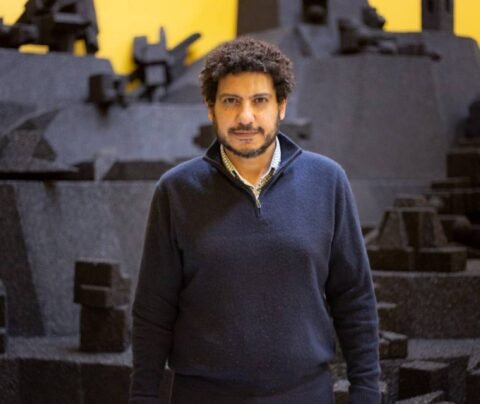
Philip Hoffman is the CEO and Founder of The Fine Art Group, an independent global team of advisors and art finance experts committed to supporting clients at every level of the art market. He has over 35 years of experience in the art market.
[ad_2]
Source link