[ad_1]
Highlights
- Started painting in Pakistan when language barriers left art as her only outlet.
- Features in Bill Bailey’s Extraordinary Portraits painting the FTD Brothers.
- Creates work that bridges Indian and Pakistani traditions through colour and pattern.
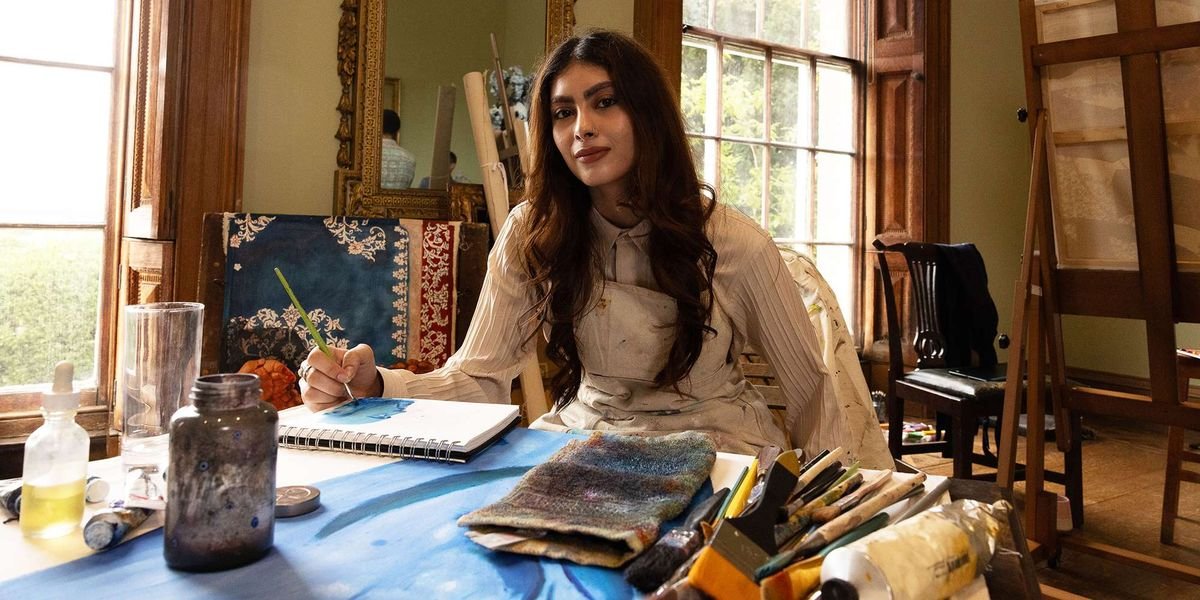
Today, the 24-year-old painter uses that same visual voice to tell stories that often go unheard, the experiences of south Asian women navigating tradition, expectation, and identity.
Finding identity through colour
Growing up in London meant constantly feeling caught between worlds. “You’re made to feel like you’re super brown, like a super Pakistani,” Unza recalls.
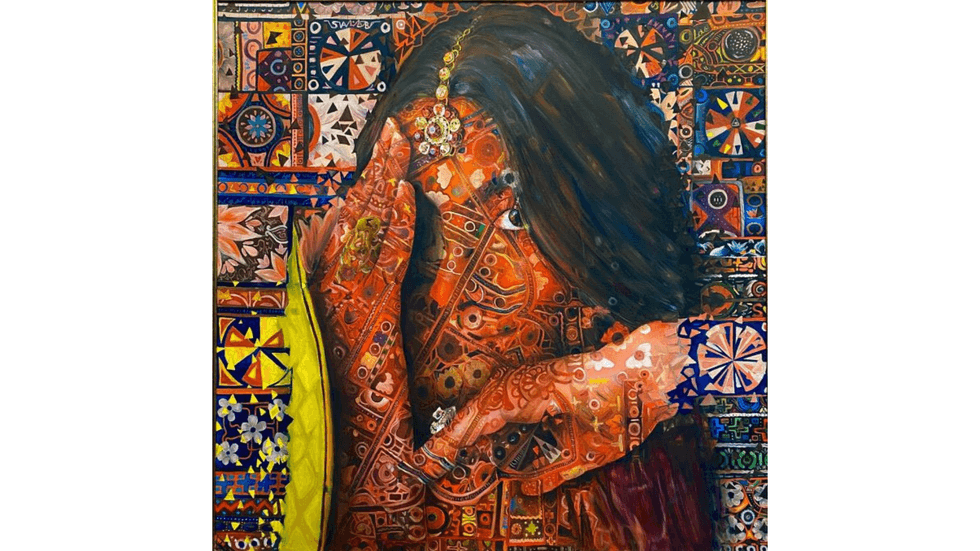 Unza says her culture and skin make her unique, and that being brown is not a bad thing, calling curry beautifulUnza Saleem
“There’s a lot of discrimination. You don’t really like the person that you are. You wish you were just like everybody else.”That changed when she discovered her heritage wasn’t something to hide.
“What makes me different, my culture, my skin, is actually what makes me unique,” she explains.
“It’s not a bad thing to be brown. Curry is a beautiful thing.”With an Indian Gujarati mother and Pakistani Punjabi father, Unza draws from both traditions.
“I find the similarities in both cultures and delve into patterns and colours from each side,” she says.
“I get to see my mum’s Indian saris and my nani’s Gujarati food and the language. I also have the privilege of seeing my dad’s Pakistani traditions and the patterns and the fabrics,” she says.
Her work bridges what she describes as “something that’s so far apart and so opposing to one another,” creating unity through canvas and oil paint. For her, bringing these two cultures together is her identity, it’s how she was created.
Stories that demand telling
Unza focuses deliberately on south Asian women because their struggles remain largely invisible to Western audiences.
“Being a woman, a south Asian woman, is like a whole different world,” she says. “Sometimes you’re actually shocked. What do you mean arranged marriage is a thing?” She recalls being surprised by the idea of arranged marriage, questioning how someone else could choose the person she would marry.
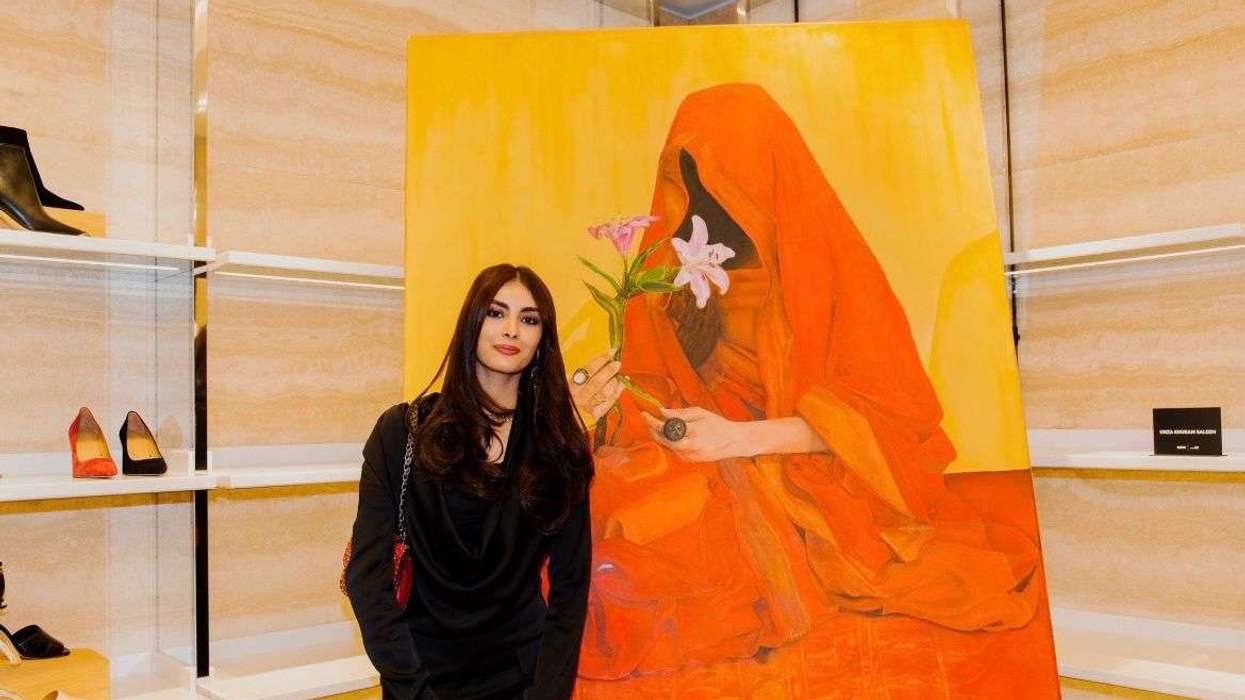 Unza’s painting The World of Red captures her crossroads between an arranged marriage and her artistic careerLinkedIn / Unza Saleem
She remembers sharing stories at university about unhappy arranged marriages and seeing genuine confusion from her classmates.
“That’s when I knew it’s my responsibility to paint these women, to shed light on what they’re going through, to let them know that they’re not alone.”
Her painting The World of Red captures her own crossroads, choosing between an arranged marriage and her artistic career.
The composition shows her frozen in traditional bridal clothes, holding a luminous white flower, looking at her options.
“I spent months so depressed thinking, I don’t want to let my family down, but how can I live with myself if I don’t do what I was born to do?” she explains.
It was a moment where she had to decide between following the traditions and expectations of a south Asian household or following her dreams as an artist.
Platform and purpose
Recognition came early. Just two months after university, Unza exhibited at the Hugo Boss flagship store on Oxford Street as part of the Desi Paratha showcase featuring six south Asian artists.
“We are a minority, especially in the art world,” she notes. “To have south Asian artists collaborate with such a big brand was an absolute honour.”
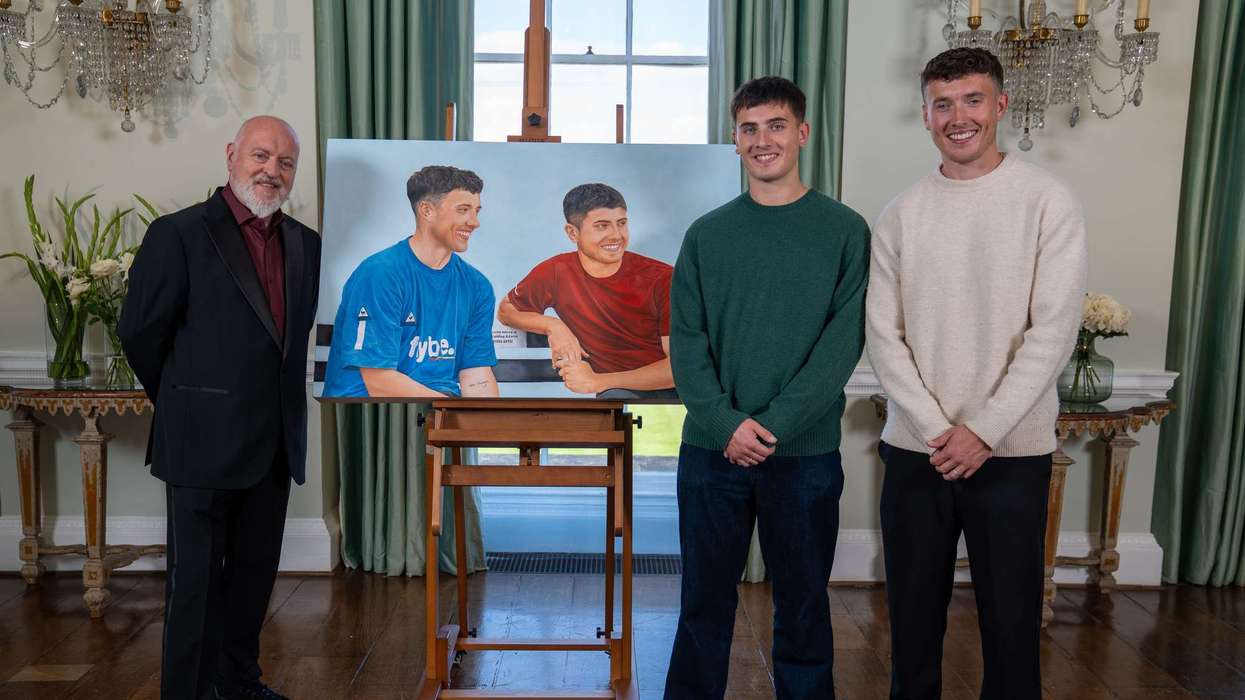 Unza chose to paint them as ordinary brothers beyond their Instagram image and achievementsUnza Saleem
More recently, she appeared on Bill Bailey’s Extraordinary Portraits, painting brothers Jordan and Cian FTD ( Frontotemporal Dementia).
Unza is one of the artists to feature in the latest series of Extraordinary Portraits with Bill Bailey, available now on iPlayer.
Initially excited about the television opportunity, she found herself deeply moved by their story. “I got so consumed by the experience. It had me in tears in the end.”
She chose to paint them not as heroes on pedestals, but as regular brothers. “The world has always seen them through their Instagram and achievements.
I don’t think the world has gotten to see them as they are, two boys who’ve just gone through a lot, but they’re still family.”
In an age dominated by digital art and AI, Unza remains committed to oil painting. “I’ve never been good with technology,” she admits.
“But a canvas with paint, every stroke, every line, every layer, I do it myself. You can’t get that on a screen.” She uses colour deliberately.
Red commands attention while muted yellows recede. In one painting, a woman sits with her face hidden, the composition simple, but the bold red palette demanding viewers look closer.
Message of hope
The journey hasn’t been easy. “The recognition of being south Asian does hurt that source of income a bit,” Unza acknowledges.
Gallery representation and steady buyers remain challenging for emerging south Asian artists in London’s competitive art scene. But she’s determined to keep going.
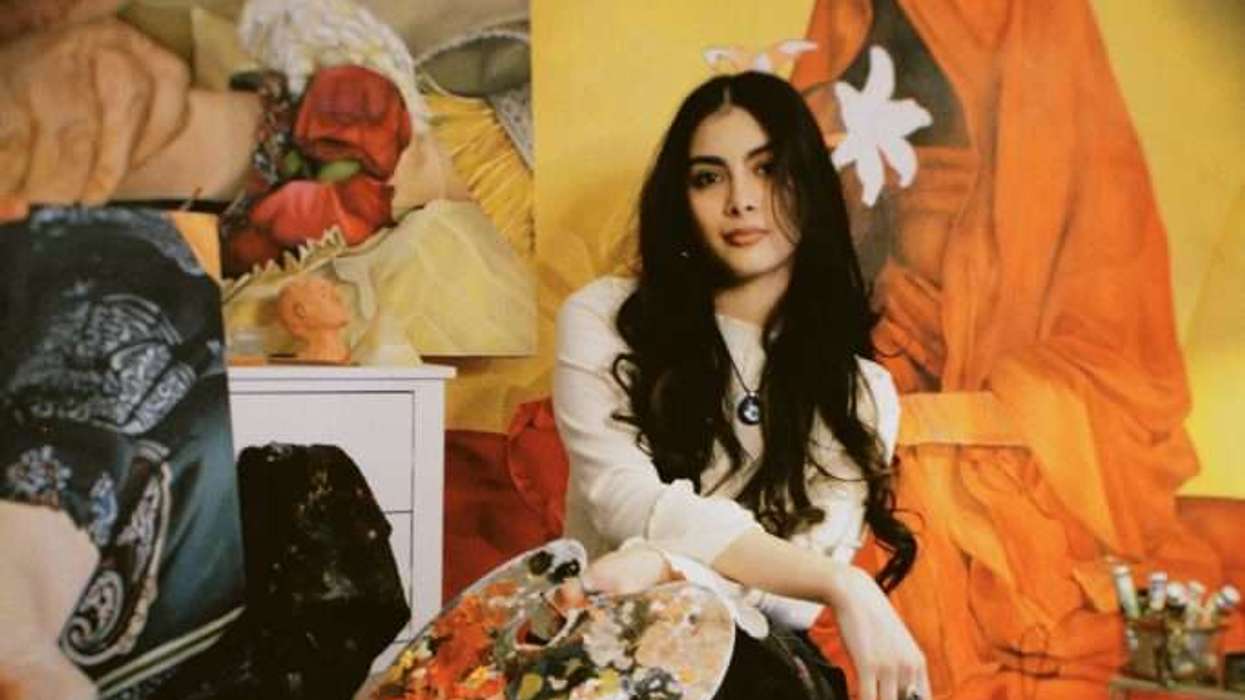 Through oil and canvas, Unza captures “moments” that reflect emotions and experiencesUnza Saleem
Her message to young south Asian women stays unwavering. “I want you to know there are opportunities for us out there. I’m 24 years old and I’ve come this far because I didn’t give up,” she says.
“Your value should be determined by you. Are you happy with what you’re doing? Continue. Don’t give up.”
Through oil and canvas, Unza creates what she calls “moments,” capturing emotions and experiences that deserve attention.
Each painting becomes proof that these stories matter, these women exist, and their struggles deserve to be seen.
She wants viewers, especially young south Asian women, to feel some sort of relatability, to feel like they’re not alone.
“All of us are going through it,” she says, offering hope through her work that representation and recognition are possible.
[ad_2]
Source link