[ad_1]

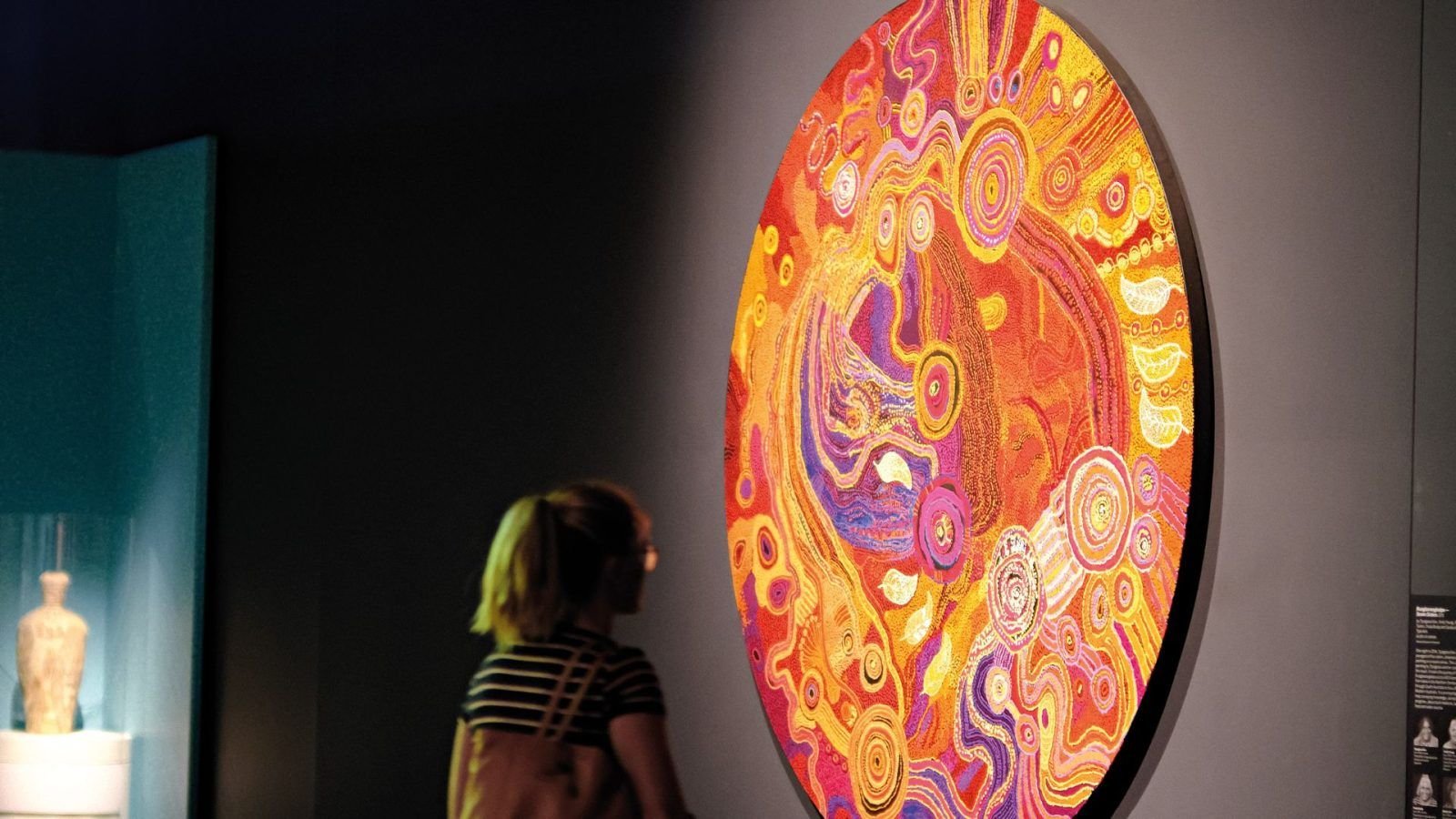
Kiran Nadar Museum of Art at Humayun’s Tomb Museum, Delhi (Photo Credit: Kiran Nadar Museum of Art )
In November last year, the Kiran Nadar Museum of Art hosted Songlines: Tracking the Seven Sisters, an experiential exhibition tracing the first five nations of the origins of Australia, at the Humayun’s Tomb Museum in Sunder Nursery in Delhi. Far from a conventional showcase, the landmark art gallery presented it as an interactive experience where the viewer is very much an active part of the exhibits.
Kiran Nadar, the eponymous chairperson of the body and a stalwart of Delhi’s tryst with art, culture and history, believes that such experiences are here to stay.
“By going beyond the four walls of the museum through public art, educational outreach and multidisciplinary festivals, we want to create inclusive, vibrant platforms for people to connect with art in meaningful, transformative ways. While doing so in public spaces like Sunder Nursery, we’ve seen the enthusiasm that comes from a chance encounter with art in the everyday,” she says.
Nadar is hardly the only one. In Ranthambore, Abhimanyu Alsisar, the scion of the Alsisar royal family of Rajasthan, is well regarded among the pioneers of cultural preservation in India as the promoter of Magnetic Fields, a music festival in Shekhawati. Since 2024, he’s busy building a new experience in ‘Durbar’—a two-day experiential cultural and conservation gala that draws industry leaders and culture patrons alike.
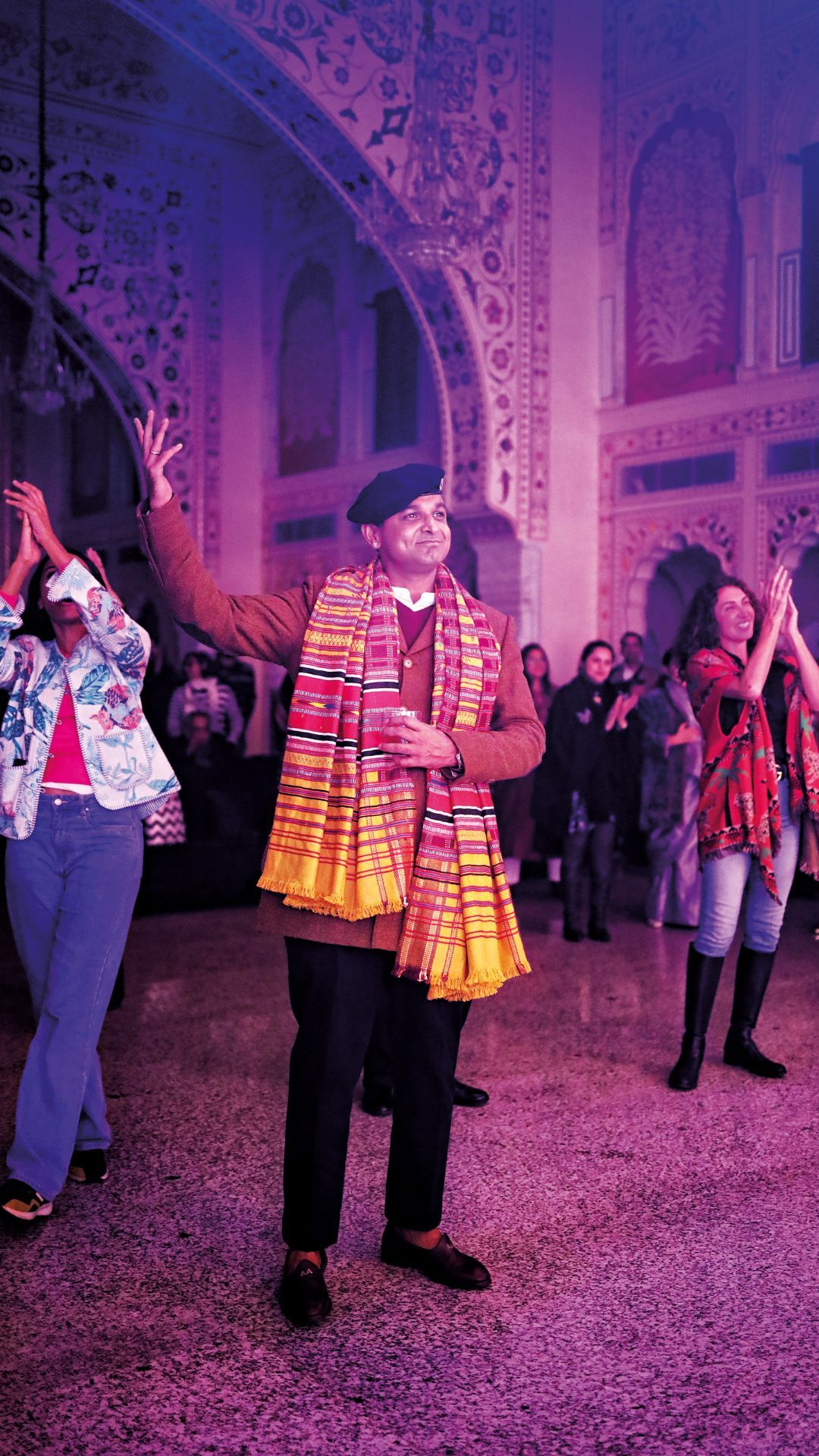
“The most luxurious thing we have in India today is our culture and heritage, and it is something we need to conserve. We have been working on this for a while. India is waking up and wanting to do something for its own country. Earlier we had so much, but we didn’t know how to package it. Now we’ve figured that out,” he says.
Last year, Durbar put a limelight on communities that for decades have lived alongside the famed tiger corridors of Ranthambore, and how their lives are intertwined with the movements of the jungle. Here, Alsisar built an experience when suddenly, the dance of a delicate ecology was open for all to see, after all, these are communities that have coexisted caring for the shy, elusive and oft-misunderstood apex predators.
This is a new era of lived experiences, where history, art, culture and hospitality experiences are no longer static frames spread across a quiet gallery with minimal conversations, but are experiences set in princely havelis dotting India’s landscape—bustling with energy, seeking to recreate eras and stories that strike a chord with new generations.
Here, patrons do not merely discuss art and heritage; they experience them firsthand—listening to a fourth-generation conservationist recount personal histories, watching a live performance that seeks to preserve a marginalised dance form, or sharing a thoughtfully curated multi-course meal built around rare, region-specific ingredients.
This, in turn, is boosting a new form of tourism and entertainment economy—where a larger segment of patrons now find the pages of history within tangible reach.
Art Festivals As Living Archives
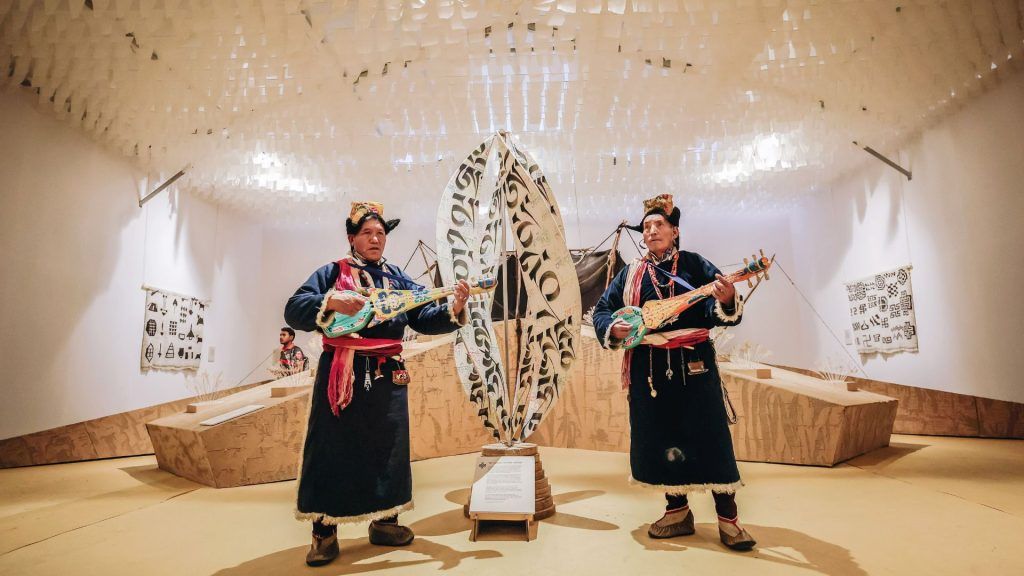
Driven by this push to build experiences that walk an audience through an era rather than showing them a slideshow, more festivals are jumping on to the bandwagon. One such example is the Serendipity Arts Festival in Goa, founded by Hero Enterprise chairman Sunil Kant Munjal. Celebrating its 11th anniversary this year, Serendipity too is evolving in nature through heritage venues and interactive showcases.
“For too long, we’ve treated culture as something to be observed from a distance—behind glass cases and velvet ropes. At Serendipity, we’ve been working for a decade to dismantle that barrier. Experiential curation isn’t just about making art ‘interactive’; it’s about restoring the fundamental truth that art was never meant to be passive,” he says.
As an example, Munjal spoke of Nafrat/Parvah (which loosely translates to ‘hate or concern’), an art experience that was far from art in its conventional sense—but beckoned a participant to actually share something intimate to their conscience.
A descriptor of the experience by contemporary artists Thukral and Tagra reads, “The installation invites participants to confront inherited attitudes, collective memory, and the politics of empathy. Set within an interactive space, the experience asks visitors to respond to a series of dilemmas—moral, social, and personal. Each choice navigates the tension between reaction and responsibility, challenging participants to examine how emotional positions are formed and expressed in daily life. Nafrat/Parvah offers a structured yet open-ended space for reflection—where care becomes a form of resistance, and awareness a step toward healing.”
“These weren’t gimmicks—they were acknowledgements that culture lives in human exchange, in sensory memory, in the act of receiving and giving. The shift we’re witnessing is profound: from spectator to stakeholder. When children from a local community engage with a participatory art installation, they’re not just viewing someone else’s heritage—they’re claiming it as their own. That’s the democratisation we’ve always believed in. Access has become limited, almost exclusive to a few. Experiential curation breaks that exclusivity by making culture something you live through, not just look at,” Munjal adds.
In Delhi, Tanvi Singh Bhatia, co-founder of heritage cultural experiences platform Ibtida—Ek Mehfil, is passionate about preserving an era gone by. “I try to bring back the authenticity of old traditions, and the way music, art and performances were once experienced. Instead of placing them in predictable, formal settings, I curate them against unexpected, inspiring backdrops—such as historic monuments, open courtyards, textile stores and heritage structures,” she says.
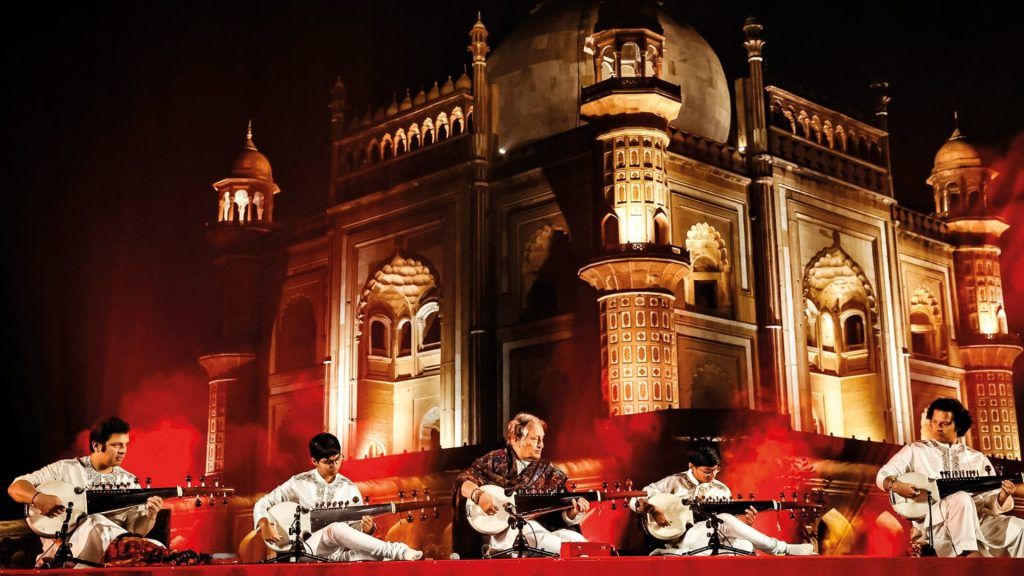
For instance, on 15 November, 2025, sarod maestro Amjad Ali Khan performed alongside his sons and grandsons against the majestic backdrop of Safdarjung’s Tomb. The effect was an experience that immerses viewers into an ensemble, and not just a concert.
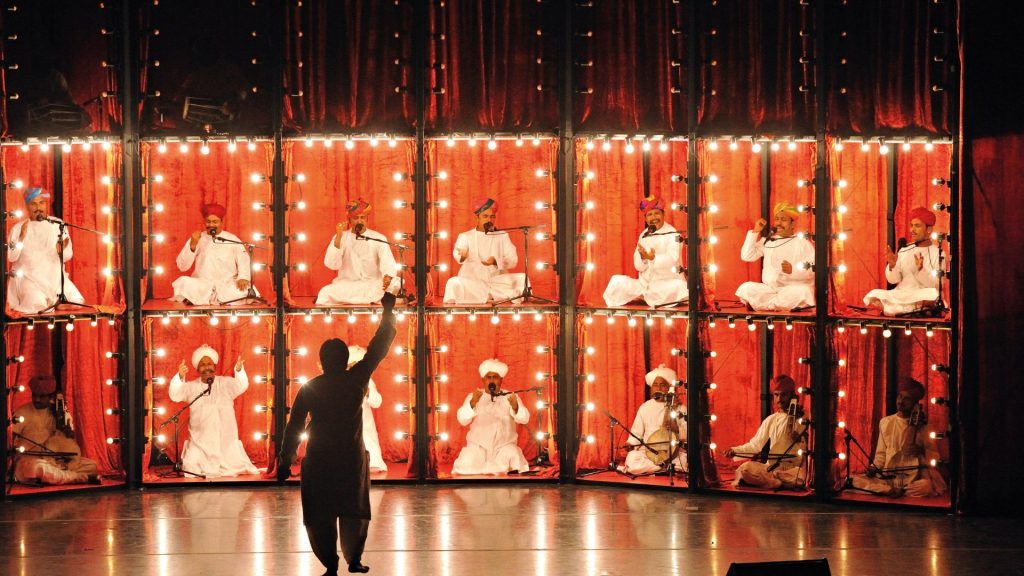
As established art houses and festivals reinvent themselves, new ones are finding patrons by giving them lived experiences. One such experience, held in December 2025, is the Jaigarh Heritage Festival hosted by Sanjoy Roy, founder of Teamwork Arts—the mind behind India’s landmark Jaipur Literature Festival. In its first-ever edition, hosted in collaboration with Sawai Padmanabh Singh, the titular maharaja of Jaipur, the Jaigarh Heritage Festival counted Saba and Samode havelis in the outskirts of old Jaipur as two of its key partner destinations. The festival will host interactive storytelling experiences by spoken-word performer Laksh Maheshwari on old Rajasthani folklore, as well as performances by Nathoo Lal Solanki, a 13th generation artist performing on the nagada (the Indian kettle drum).
To Eat, Sleep, And Breathe Heritage
Hotels and resorts, too, are capitalising on the rise of boutique luxury experiences. A compelling example is The Sarvato, an open-terrace restaurant set in the heart of Jaipur’s historic City Palace. Conceived by Singh in collaboration with hotelier Abhishek Honawar, The Sarvato offers a seasonal dining experience that feels like rare insider access—evoking how a king or prince might have dined at the palace two centuries ago. Rooted in this immersive vision, The Sarvato has since earned its place within the esteemed Relais & Châteaux,the global association celebrating exceptional boutique luxury experiences.
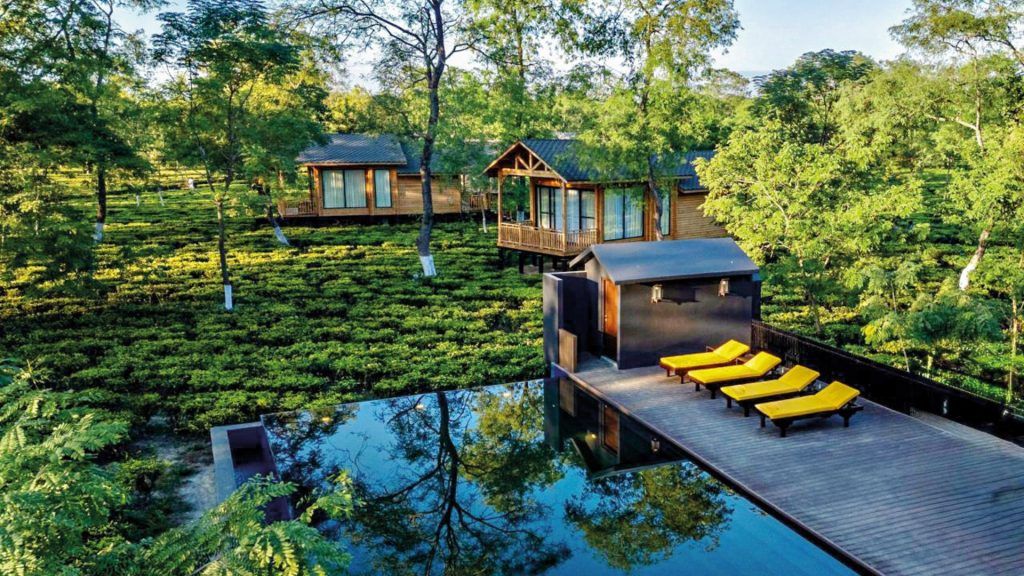
In Assam, 10 minutes from Tezpur—often known as the historical culture capital of the state, Postcard Hotels has revived the glory era of a tea estate with a luxurious place in Durrung. The Durrung Tea Estate is one to savour—founded in 1864 by a Scottish tea firm, sold to an Indian family in 1939, and acquired by the Jalan family in 2018 who began focusing on ‘tea tourism’ at the destination.
The Postcard Durrung today offers an experience akin to life in the tea estate, over its 160-year history. It immerses visitors into life in the region, such as a day with women silk weavers of Sengeli Mari Gaon close to Durrung. Visitors can also choose to do a tea plantation trail, where they are offered a private tour of tea bud plucking, estate factory visit to experience brew manufacturing, and finally, a private tea tasting session—emulating life on the tea estate for families that have run it over the generations.
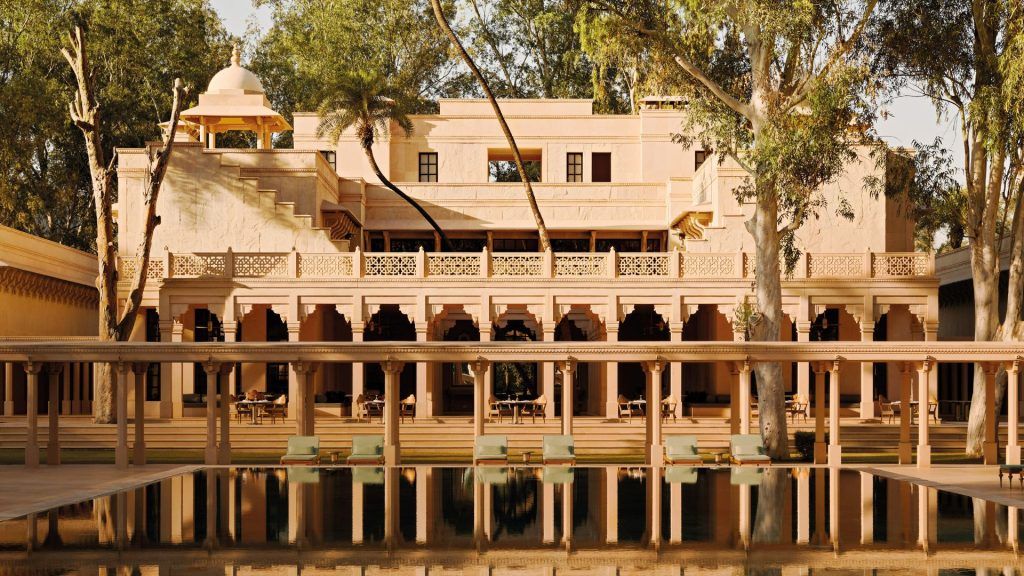
Elsewhere, in Alwar, Rajasthan, Amanbagh gives visitors a snippet of life at the heart of Alwar’s maharaja’s hunting hobbies. Theo Cromhout, regional director for India, Sri Lanka and Bhutan at The Aman Group, says that the destination resort’s prime showcase includes involving local artisan residents of the region in the design of the place, coupled with local-ritual experiences such as a personal ayurveda consultation.
A New Language Of Luxury
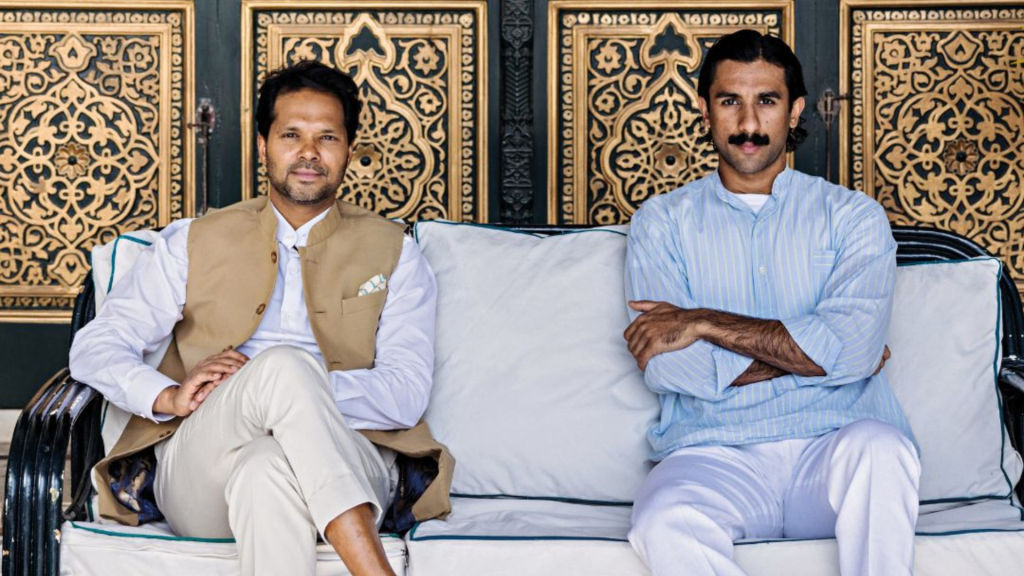
Through all of this, the definition of a luxury escapade for a well-travelled connoisseur is changing. It is no longer about concierge and ambience, but their abilities to live through snippets of life of patrons of India’s royal halls from centuries ago. Luxury, today, is about connecting to local communities, and giving audiences a first-hand, tactile experience. As Munjal puts it, “What changes lives is the moment when an artist and an audience member connect, when hands touch clay, when a dancer’s movement creates ripples through painted reeds on an actual beach.”
Today, the evolution of lived-through luxury experiences is growing as the visionaries of the world of art in India seek to bring new elements to the table. “Turning a space into a living dialogue means creating fertile ground for art to flourish, creating connections between art, artists and audiences,” says Nadar.
From festivals to palaces, India’s discerning audiences are seeking to learn more about our past and finding cultures lost to the annals of time. The movement to reclaim this legacy has only just begun.
Note:
The information in this article is accurate as of the date of publication.

Written By

Vernika Awal
[ad_2]
Source link